

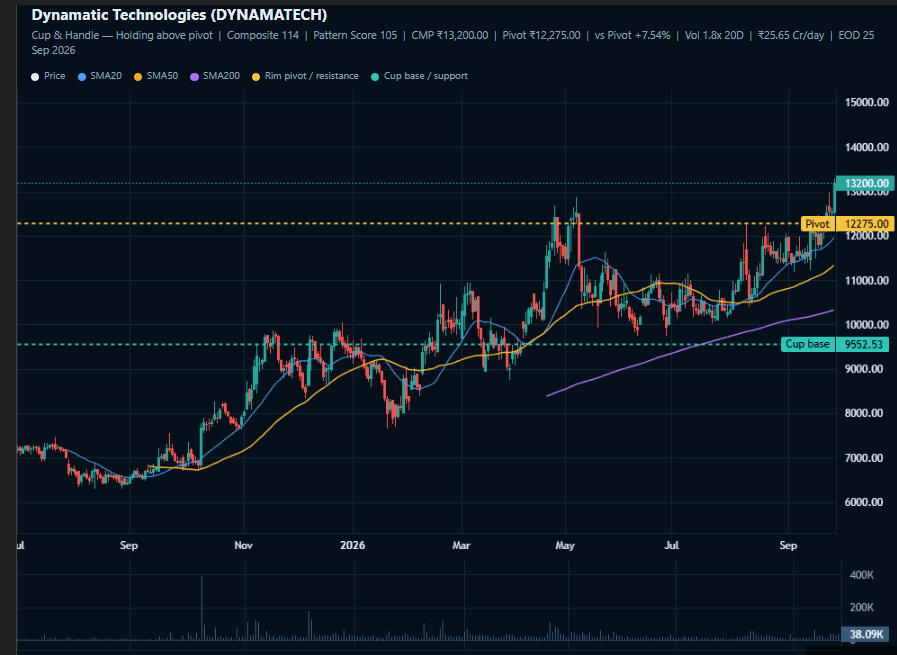
Whenever you listen to the stock markets or NSE and BSE, we all panic and feel threatened. Many of our parents think it is equal to gambling, it has high risk and many people have lost money due to stocks. This perception has made many people stay away or stop trusting stock markets.
Historically, the stock market became popular not for wealth generation. Rather, it was built on fear of the Dutch. In 1602, the Dutch, while exporting and importing goods, many failures used to occur while transporting them from the sea. This led to a big loss or profit only for the investor. Whenever the ship never returned, the investor lost all his wealth and his entire family suffered eventually. From debts to asset selling, everything spoiled with one ship delivery. This problem led to frequent disturbances in the circulation of goods and supplies.
The Dutch introduced a new system, where every individual would contribute a small amount of money. If the ship returned, the profits would be shared. If the ship did not return, all the loss would be dealt by everybody. Basically, it would protect the burden on investors. This initiative successfully made Dutch traders profitable, and even society received profits together. This collective pooling of money became extremely popular and spread across the world. Eventually, in the 1850s, Bombay was the first place where this system began in India.
Let's understand the stock market now. Initially, when a company needs money, they introduce an IPO, which is an initial public offer asking people to invest in their company. If the company grows, stocks shoot up which is known as bullish. If the stocks fall and do not reach the expected rise, then it is called bearish. To initiate an IPO, the SEBI, which is the Security Exchange Board of India, has strict rules and regulations with extremely heavy documentation required to list your company on the market. The Nifty, Sensex and Index are other top important things which basically monitor the health of companies regarding overall market growth or loss. Basically, it is like a thermometer measuring everything regarding stock markets.
Eventually, with time, multiple scams happened during the 1990s, like the Harshad Mehta scam, which shook the Indian government, making things even more harder. Many people stopped trusting the entire stock market system, calling it gambling. Due to such scams, India has built digital-based stock systems, protecting itself from fraud and bringing transparency and accountability. Previously, it was with documents, so there were high chances of manipulation. So the Demat account system brings digital access to modern reforms in stock markets. Inflation is something very important, which can take place as time passes with years moving ahead. The stocks and companies grow with time, making them profitable within a few years or could lead to devastating loss. Every item which has costed 100 rupees after 10 years, would cost around 130 rupees or more. So many people who invested in top companies stocks in the 1990s are millionaires today.
Mutual funds is another popular term, which indicates a particular firm investing in multiple companies, and you support them with your own sum of money. If companies grow, you get a tiny share of it. Today, according to SEBI, there are 20.5 crore demat accounts. All you have to do is register it with KYC and integrate it. The stock market is not only profitable, sometimes it's risky when trading in F&O or Intra trade; they lose money as it is based on day-to-day operations. So many prefer long-term stocks, which are safe and have calculating benefits. Stock markets are a boon for overall Indian economic growth, as you provide funds for companies, in return, you gain profits and India receives employment, growth, wealth generation and development.