
We all know about Rajasthan for its unique culture and royal palaces. Those king-size weddings of bollywood actors and celebrities. All of us admire the pink city and beautiful lakes with that hospitality of loving people. In India, every place, city or town you can see the Rajasthan community selling delicious sweets. Do you know once upon a time in the late 1980s it was under Bimaru, known for poverty, water scarcity and devastating circumstances in rural areas which lacked agriculture, industry and education too. The natural climate and environmental crisis have also made situations even worse with sand deserts createing large scorching heat waves reaching up to 51 degrees Celsius. It is unbearable to adapt for the ordinary person and impacting agricultural production overall the state.
How did they change themselves from such conditions?
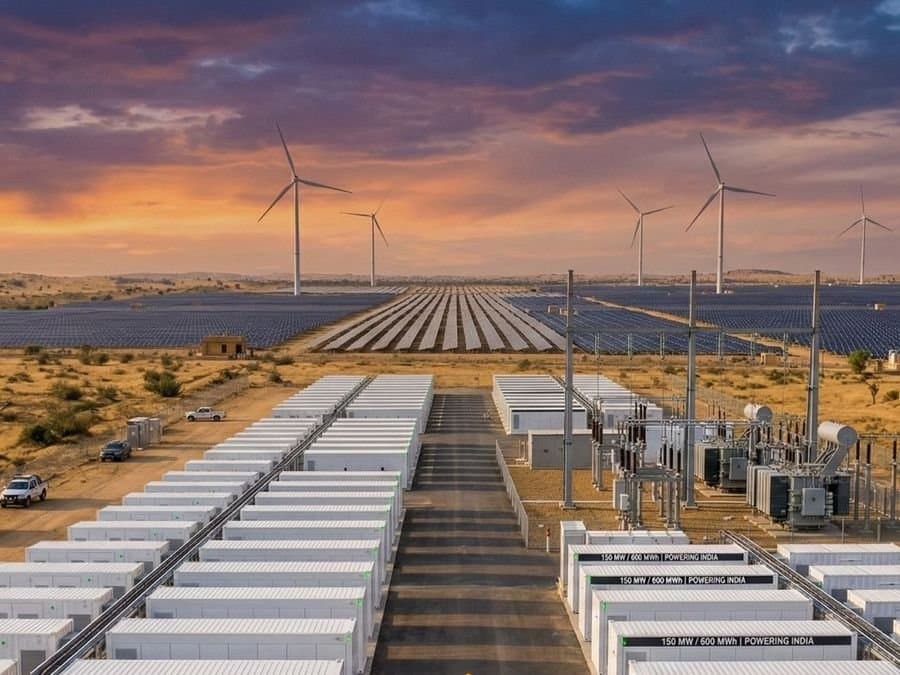
Today Rajasthan economy has been growing at a speed of 16.7%. It might have a harsh climate and fewer resources compared to other states. Yes, but they have one resource which is abundance of land bank, which can absorb hot scorching sun and heat, which has literally become an asset today. Back in the 1980s and 1990s, it was never considered an asset. Today, they are one of the largest solar power producers after the initiation of a solar power mission by the government of India. Everything has changed and became a massive economic boost. It is one of the largest clean energy producer, and also generates wind power. Recently, the natural resource of lithium, which is equal to gold for Rajasthan.
Lithium basically helps with the recharge of batteries, smartphones, chips, laptops and electric vehicles. India imports almost 80% of that from other countries. In the future Rajasthan and J&K will be the future of lithium industries. The land which lacked water, soil, agriculture, rivers, or coastal regions but with just land bank and open spaces, has changed the rural areas with tech-based renewable energy. Rajasthan is the best example of transformation, and it has proved how harsh climatic conditions can be changed with technology and integrity. It has 7 airports, 415 industrial parks, tourism, agriculture, food and hospitality and education. The state has transformed, and is far ahead of other states in economic growth. Today it has 17 lakh crore GSDP of the entire state, attracting 108 million tourists yearly and leading in renewable energy.