
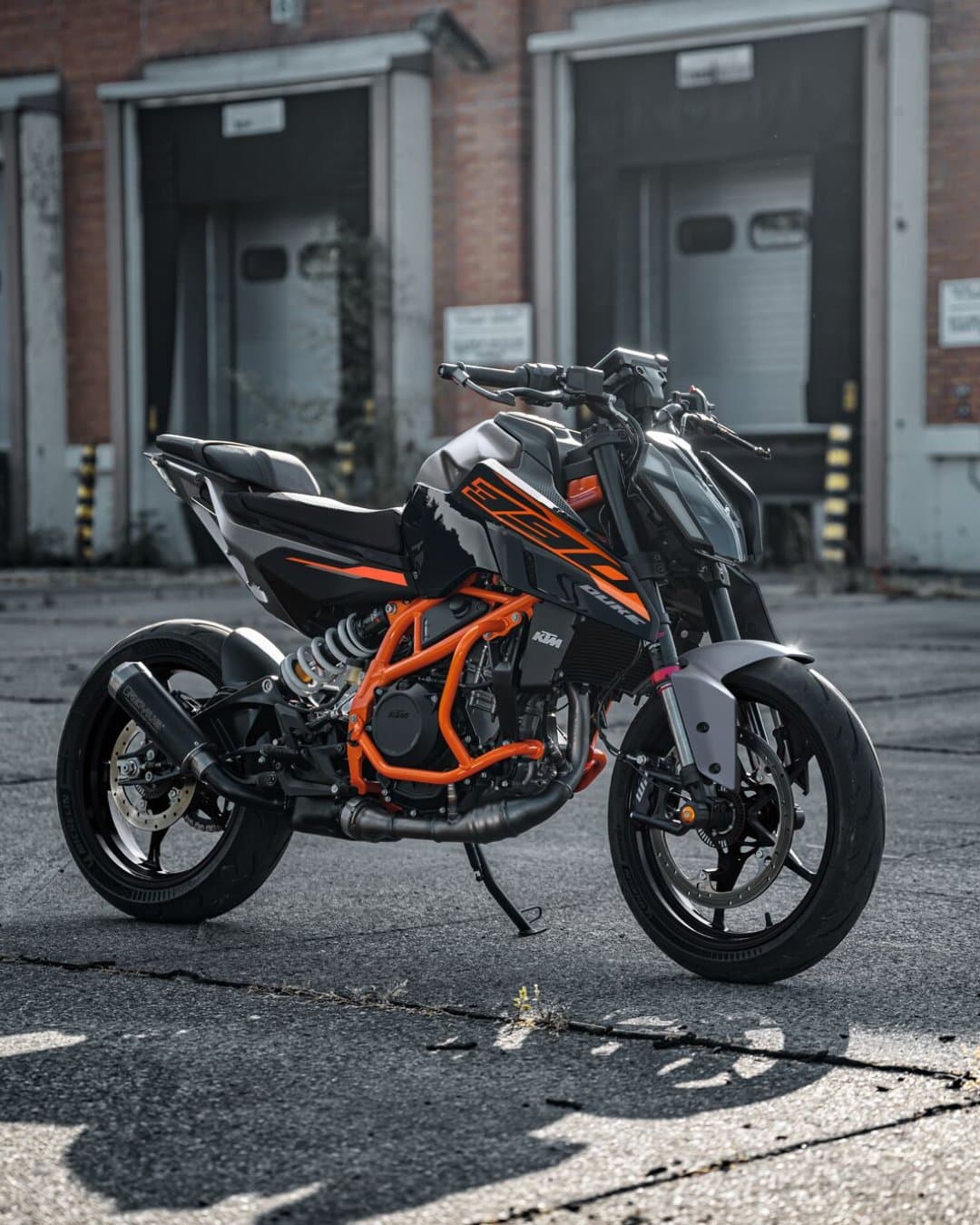
Once upon a time there was a bike, which every other college student and kids aspired to buy. It became the brand ambassador of all young people who were going to college. The streets were going crazy with stunts and speed. Their captions also included like Ready to race, which made all the young people use high-performance vehicles from KTM. It was sold so quickly, people used to wait on the waiting list.
The bike was from a small European nation, Austria. It was initially built for mountains, but eventually it changed to regular streets. The biggest growth came when they collaborated with Bajaj. It was a wonderful deal, fulfilling both sides. Bajaj took a 14% stakes in KTM, which paved the way for Indian markets. They launched the KTM 200, 390 with its lite weight body, which everyone loved it. A smooth bike for racing and speed, also the marketing included racing tracks, college campuses, advertising, off-roads and on-roads. Such a wonderful bike which performed so high in the Indian market, suddenly how did its downfall start?
The Downfall.
The bike was exceptionally well-made and was built for racing, but when it came to real practical life, it felt uncomfortable. The daily life usage was absolutely critical, and the bike was not able to handle traffic jams as it was overheating. The bike was so sporty and stylish, it was great for short rides, but for long rides many faced back pain and mileage was minimal compared to other brands.
For most of the middle class it has become expensive. Eventually, it was great, but after a few months it became hard to maintain. Overall, after a few years, the impact directly impacted sales and EV vehicles made the market even more complicated. The price of the bike was cheap but as the demand rose it became very expensive. This led to the shut-down of stores and many elderly people calling it a stunt bike and many youth met with accidents, due to racing and overspeeding which also made the brand's value degraded across India.