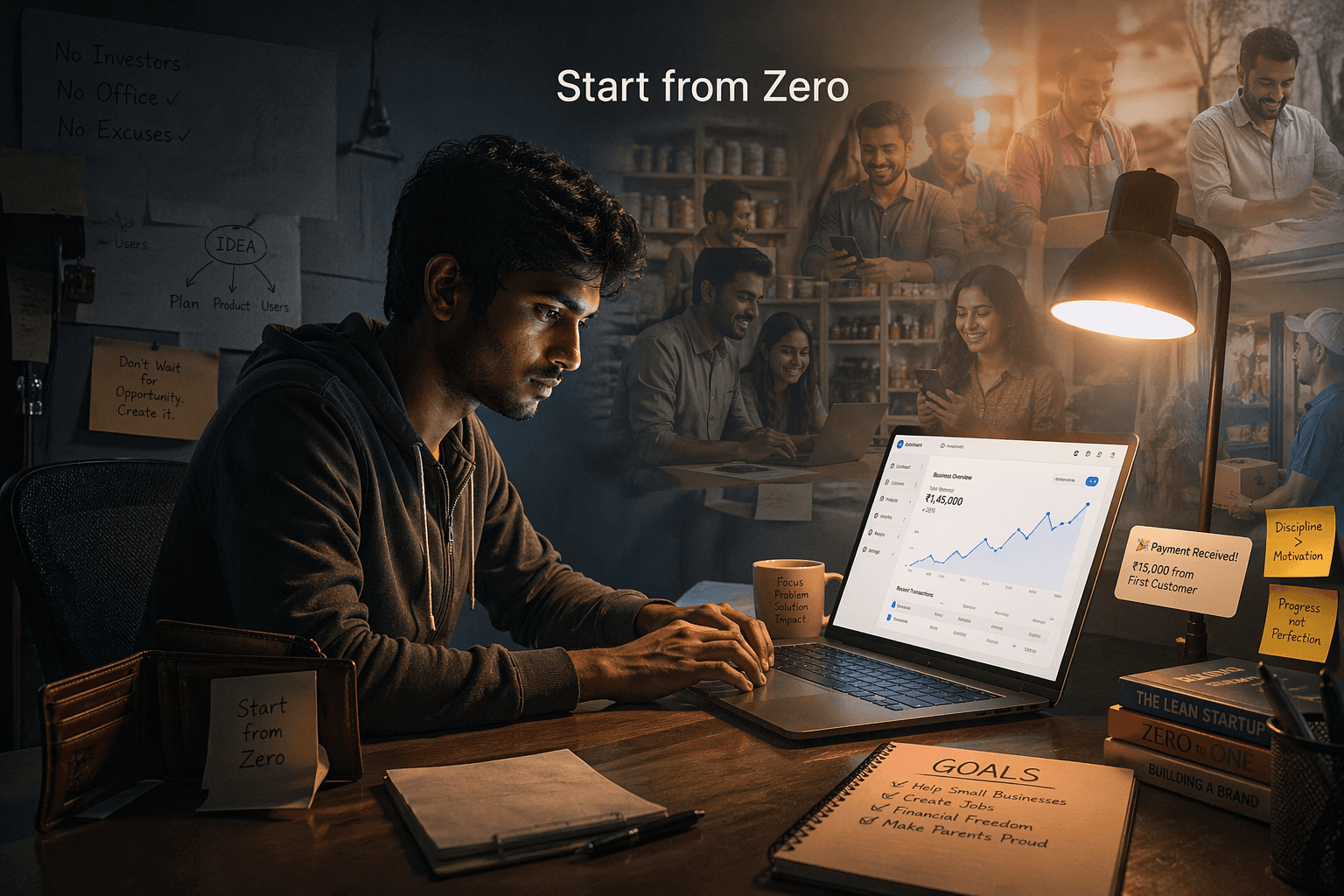
Starting a startup is often imagined as something that needs big money, strong connections, and a perfect setup. But if you look closely, many successful businesses didn’t begin that way. They started small, with limited resources, and grew over time through consistent effort and smart decisions.
If you’re ready to learn, adapt, and take action, you can start a startup without investing money upfront. It won’t be easy, but it’s definitely possible. Let’s break it down in a simple and practical way.
Start with a Problem, Not Just an Idea
Most people get stuck thinking about “the perfect idea.” But in reality, startups don’t succeed because of ideas alone. They succeed because they solve real problems.
Take a moment and observe your surroundings. What do people complain about? What feels inefficient or frustrating? That’s where opportunities lie.
When you focus on solving a real problem, you’re not just building something—you’re creating value. And when people see value, they are willing to pay for it.
Use What You Already Know
When you don’t have money, your skills become your starting point. You don’t need to learn everything from scratch. Begin with what you already know and improve along the way.
If you can design, help businesses with visuals.
If you can write, offer content services.
If you understand marketing, help others grow online.
In the beginning, you don’t need a team or a fancy setup. You can start alone and slowly expand as you grow.
Start Small with Services
If you’re starting with zero investment, a service-based approach is the easiest path. It doesn’t require inventory, manufacturing, or upfront costs.
You can begin with things like writing, design, social media management, SEO, or website development. These are skills you can offer immediately.
Once you start earning and understanding your market, you can later move toward building a product or scaling your services.
Test Before You Go Big
One common mistake is trying to build something big without knowing if it will work. Instead, start small and test your idea.
Talk to people who might use your service. Offer it to a few clients. Ask for honest feedback. Most importantly, check if someone is actually willing to pay.
This step saves you time and helps you focus on what truly works.
Take Advantage of Free Tools
Today, you don’t need money to get started. There are countless free tools available that can help you run your business.
You can create a simple website, design posts, manage projects, and even market your services without spending anything. The key is not just using these tools, but learning how to use them well.
Your time and effort are your real investment here.
Build Your Presence Online
When you don’t have a budget for marketing, your online presence becomes your biggest asset.
Start by creating a simple portfolio or profile. Share what you know. Post regularly. Engage with people who might need your service.
Over time, people begin to notice. They trust you more. And that trust turns into opportunities.
Focus on Your First Customer
It’s easy to get distracted by big goals, but in the beginning, your focus should be simple—get your first paying customer.
Reach out to people. Offer your help. Explain clearly how you can solve their problem.
That first customer is important. Not just for money, but for learning. You’ll understand what works, what doesn’t, and how to improve.
Reinvest What You Earn
When money starts coming in, resist the urge to spend it right away. Use it to grow your business.
You can invest in better tools, improve your service, or even hire someone to help you. This is how your small start begins to turn into something bigger.
Growth doesn’t happen overnight. It builds step by step.
Stay Consistent, Even When It’s Slow
Starting without money means things will take time. There will be moments when nothing seems to work. That’s normal.
What matters is consistency. Keep learning. Keep improving. Keep showing up.
Most people quit too early. If you stay patient and keep going, you’ll already be ahead of many others.
Conclusion
Starting a startup with zero investment is not about having everything perfect from day one. It’s about starting with what you have and building from there.
Focus on solving real problems. Use your skills. Start small. Learn as you go.
You don’t need a big budget to begin. You need clarity, effort, and the willingness to take that first step.