

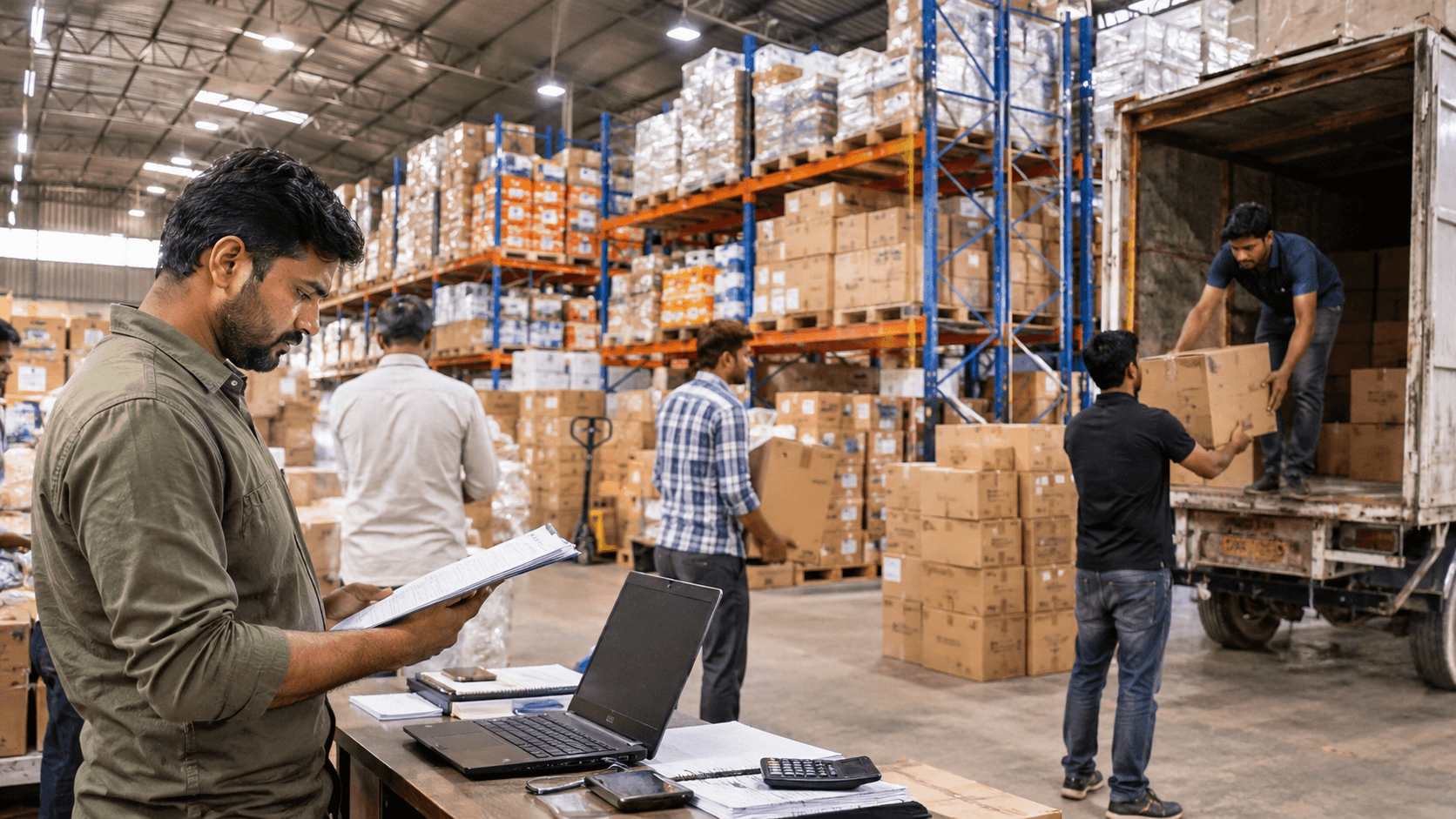
We all buy products from wholesale stores because we believe we get more quantity at lower prices. When we compare wholesale stores with local retail shops, wholesale businesses often earn better profits, even though their profit margins are lower. The reason is not always visible to our eyes. Wholesale stores usually purchase goods directly from manufacturers or large godowns. In some cases, they also sell products directly from their factories through distribution and supply networks. This reduces the overall cost of the goods.
Wholesale godowns supply products in bulk, which helps them earn more money even with a smaller profit margin. Most of their business happens through B2B (Business-to-Business) transactions. They have connections with hundreds of retail stores and maintain information about which shops are running successfully. This information helps wholesale owners understand market demand, identify regular buyers and plan their supply accordingly.
Based on this information, they manage their distribution networks and build long-term business relationships. Payments are usually made within an agreed period.
However, sometimes retail stores delay payments or purchase goods on credit. According to Section 43B(h) of the Income Tax Act, payments to eligible micro and small enterprises must generally be made within 45 days when there is a written agreement, or within 15 days if there is no written agreement. Wholesale businesses keep track of these payments to manage their cash flow.
The inventory supplied from godowns to retail stores often moves within 10 to 15 days. Proper supply chain management helps businesses maintain stock, control transportation costs and deliver products to retail stores on time. As a result, the distribution process becomes faster and more organised. However, wholesale businesses also face several challenges. Sometimes products get damaged or spoiled, some inventory remains unsold, and some retailers fail to make payments on time. In such situations, the money invested in the business gets stuck. Instead of generating new profits, the same money keeps moving through the business without producing the expected returns.
Many businesses struggle because of these problems. Wholesale businesses may have lower profit margins, but they depend on large quantities, regular orders and long-term relationships. Their money often remains invested in inventory and outstanding payments for longer periods. Although the profit from each product is small, the total earnings can become significant when sales happen in bulk. On the other hand, local retail stores usually sell directly to customers. Their money comes in smaller amounts but more frequently. This makes their earnings more visible. Wholesale businesses work differently. Their profits are spread across large transactions, distribution networks and longer business cycles. The money may not be visible immediately, but consistent bulk sales and regular supply can help them build a sustainable business over time.