We all drink soft drinks; they are only made for taste and refreshment. When it comes to energy drinks, this was made for people who work hard especially working labourers, for instant energy and recovery. The Red Bull brand successfully occupies a 60% market share in the world. People liked it so much that people admired its taste and recovery speed. When it came to India, Red Bull marketed it as if it was a normal soft drink, which made the Indian audience consume more. Making it a successful brand, but it costs around 100 to 120 rupees, which made many people think before buying. The marketing strategies of giving free drinks and attracting young people with stunts.
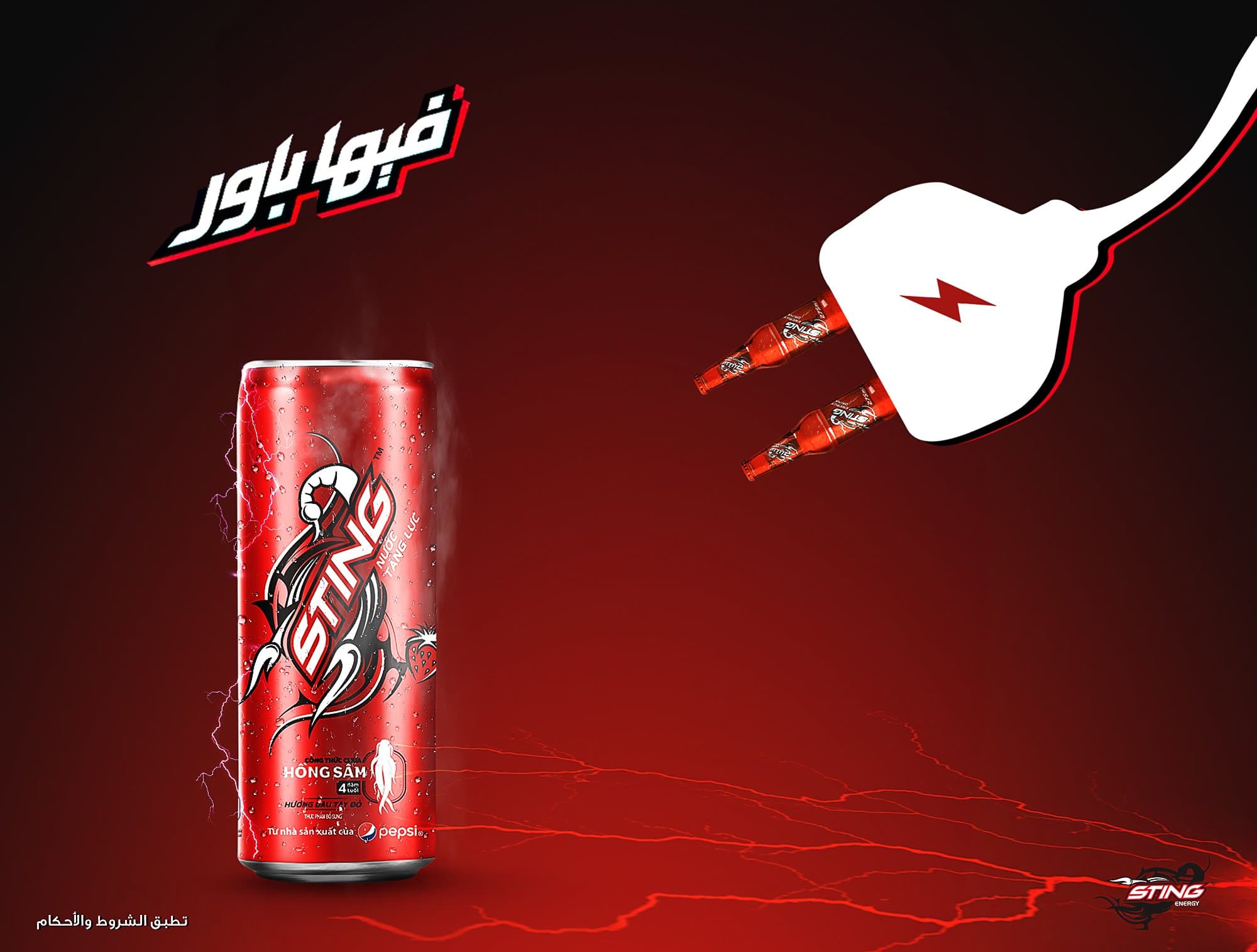
Indians have launched many energy drink brands, but they failed in the market, like Monster, Cloud 9, Burn and Zinga. These brands couldn't even come close to Red Bull. They even failed with government regulations and tests, for safe consumption. By seeing such a gap, Pepsi entered into the energy drink market and launched Sting energy drink.
The launch was successful, as Pepsi already had a strong distribution and local network with 80 lakhs stores including online platforms, which made Sting become popular quickly. Nobody thought of energy drinks before Red Bull and nobody could even beat them in their domain. It was challenging, and many brands failed, but Sting successfully dominated Red Bull, occupying 90% of the market within a few years. The strategies used are simple. Instead of using aluminum cans, they use simple plastic bottles bringing energy drinks to everyone at an affordable price. Due to plastic bottles, the prices were minimal and other energy drinks cost high, which made other brands shrink in front of Sting. They used cricketers and Formula 1 races to make it popular. These unique and simple cost-cutting strategies made Sting one the top energy drinks dominating the entire sector.