

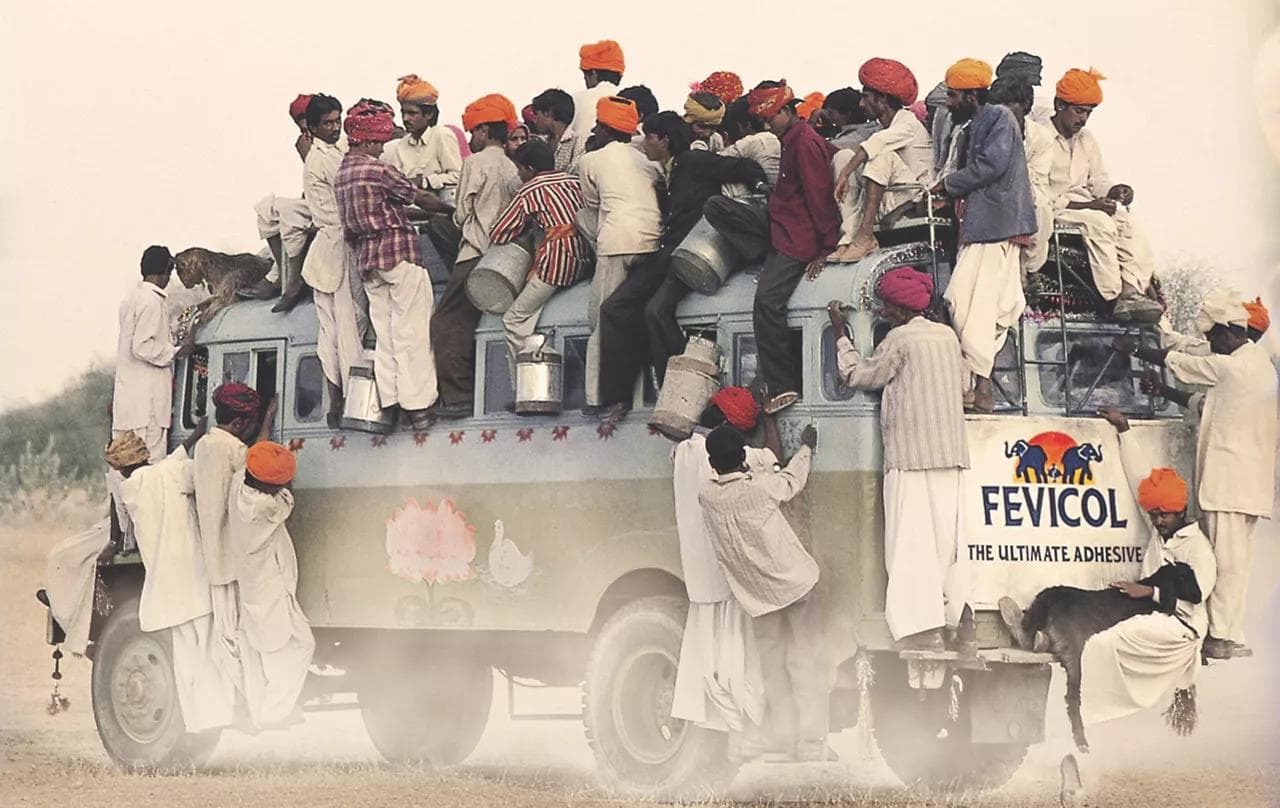
How fevicol became a household name in India
Balvan Parekh was from a humble family in Gujarat. His values and ethics had shaped his life since the early days of life. So he moved to study law in Mumbai. During those days, India was fighting its freedom struggle. By seeing those protests, young Parekh was inspired and joined those protests.
After completing his education, he decided not to practise law as it had a lot of manipulations and lies to speak. He had stern values and ethics which he couldn't change. He got married early, and his wife thought after his education life would be smooth.
Unfortunately, it was not like that, as money was a big concern at that time with no job. He was struggling to survive for basic needs, and after months of instability, he found a job in the wood business as a normal worker.
The new journey started in his life. After working a few days, he realised all the glue which was being used was western and expensive. During those days, most of the workers in the wood industry used traditional local made or animal-based glues, but it was not effective. People trusted imported glues more than locally made.
Finally, he met an investor who was into the chemical business in his wood store. Both collaborated further along with each other, where parekh earned a good amount of money.
After that, he moved to Germany and learnt glue techniques and how those industries worked. Movicol was a prominent brand in Germany. He opened a similar store named Fevicol glue in India with his brother.
Strategies
* Parekh himself visited all the carpenters' stores and explained why this glue was perfect for wood.
*He introduced small packs of Fevicol for tests and trials so that people get habituated to it.
Invested a lot of time in research and development
Advertisements of people using them in a comical context.
They even gave interesting slogans and taglines, to attract people and campaigns. They even promoted those products in shopping malls by giving them gifts to choose for themselves, but it was glued with Fevicol. They introduced various products in Pidlite, and it is worth 14 billion dollars today with 6500 employees and listed 17 on Forbes.