A few years ago, Artificial Intelligence sounded like something far removed from everyday life—something discussed in tech conferences or built by big global companies. Today, that picture has changed.
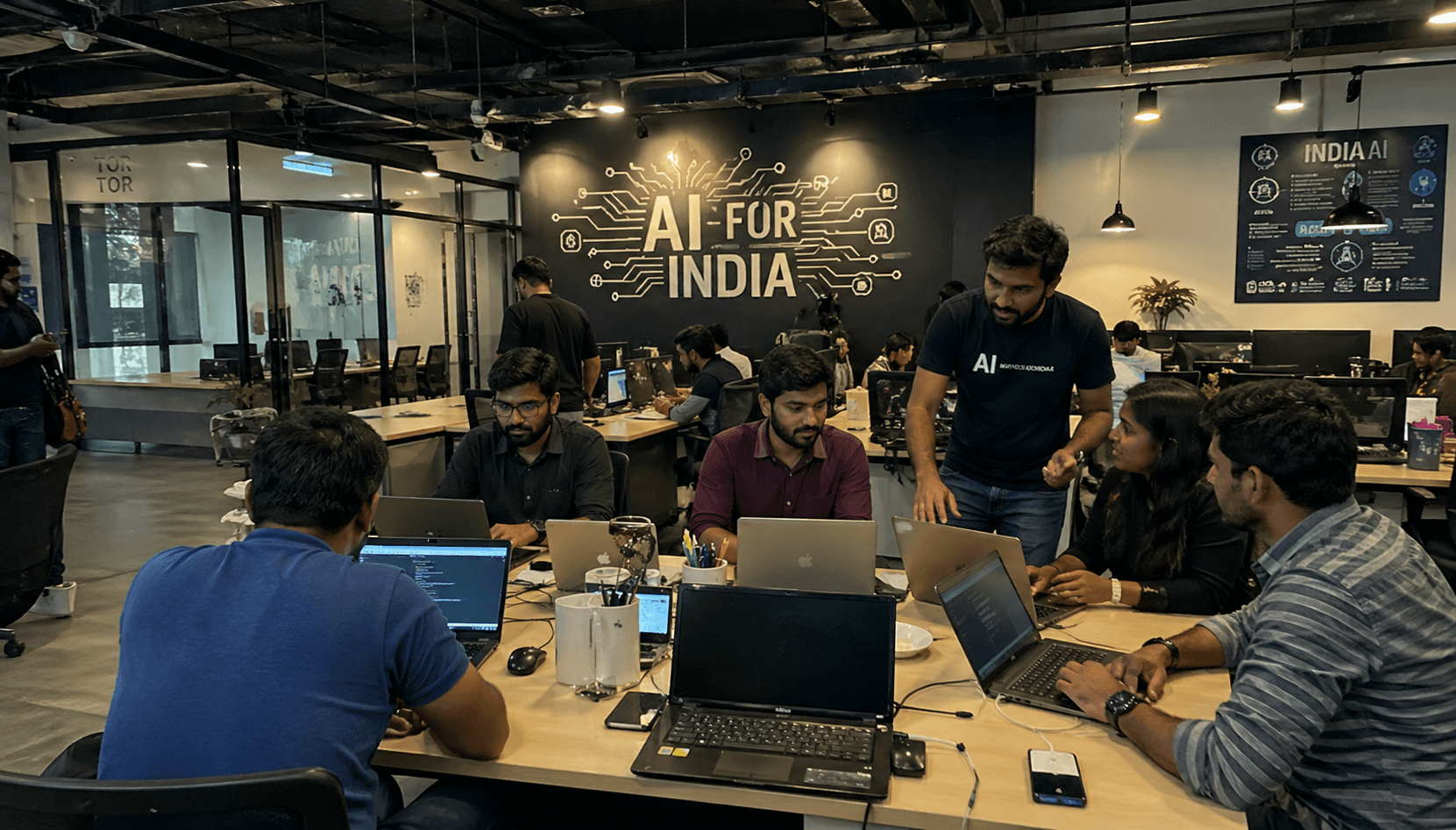
Across India, small teams are building AI products from shared workspaces, college hostels, and even small towns. These are not just tech experiments. They are real businesses trying to solve real problems. The rise of AI startups in India feels less like a sudden boom and more like a gradual shift that has now become impossible to ignore.
How Things Started Changing
One big reason for this shift is access. Earlier, building something in AI required heavy resources. Now, with cloud platforms and open tools, even a small team can get started.
At the same time, more students and developers are choosing to learn machine learning and data science. It’s no longer limited to specialists. You’ll find people from different backgrounds experimenting with AI, building projects, and turning them into startups.
Another quiet factor is data. With more people online than ever before, India has become a data-rich environment. For AI, that’s like fuel. It allows startups to build, test, and improve their ideas continuously.
Where AI Is Actually Making a Difference
What makes this wave interesting is that it’s not limited to one industry.
In healthcare, some startups are working on tools that help doctors detect diseases earlier. In finance, others are trying to reduce fraud and make credit more accessible. In education, platforms are slowly moving toward personalized learning instead of one-size-fits-all teaching.
Even in agriculture, which many people don’t immediately connect with AI, startups are trying to give farmers better insights about crops and weather.
These are not perfect solutions yet, but they show how AI is slowly becoming part of everyday systems.
The Money and Support Behind It
There’s also more attention from investors now. AI has become a space where people are willing to take risks, hoping to back the next big idea.
Government initiatives have helped create some momentum, but much of the energy is coming from founders themselves—people willing to experiment, fail, and try again.
The Reality Behind the Growth
At the same time, it’s not as smooth as it looks from the outside.
Many startups struggle with something basic—turning an idea into something people will actually pay for. Building a model is one thing; making it useful and reliable in real life is another.
There’s also pressure. AI is a crowded space now, and not every startup will survive. Some will run out of funding. Others will realize that the problem they chose is harder than expected.
This side of the story doesn’t always get highlighted, but it’s very real.
What Lies Ahead
Even with these challenges, it’s clear that AI startups are not going away. If anything, they are becoming a bigger part of how businesses operate.
What might change is the approach. Instead of building flashy ideas, more startups may focus on simple, practical solutions that people actually need.
India has an advantage here. The problems are diverse, and that creates room for meaningful innovation. If startups can stay grounded and focused, they won’t just follow global trends—they might help shape them.