

A Policy Analysis on Pradhan Mantri Mudra Yojana (PMMY)
Executive Summary
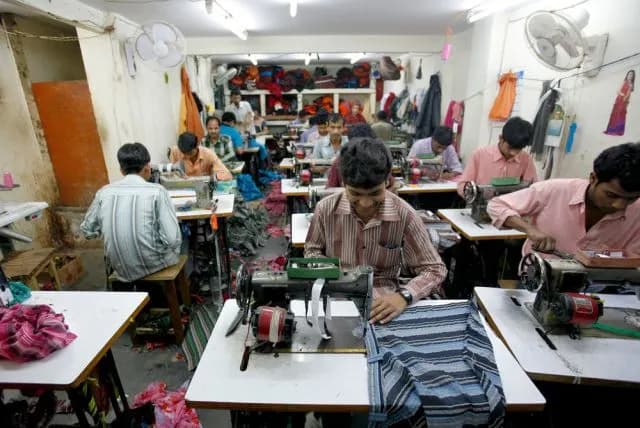
Mudra Yojana is one of the prominent government initiatives, which has brought young entrepreneurs and enhanced economic growth across MSME businesses, along with huge employment generation. The Government initiated this Policy in the year 2015. It provides loans to the MSME sector to boost overall economic growth.
It facilitates loans under Shishu, Kishor, and Tarun categories up to ₹10 lakh for people in the service sector, food industry, trading, small enterprises, transport sector, women-led businesses, and manufacturing units. It helps to clear the credit gaps in micro, small, and medium enterprises.
Problem Statement
It was basically started for the financial inclusion of citizens in business by providing small- and medium-level financial help through loans under various schemes. It helps to increase employment growth, reduce dependence on local money lenders and related crimes, and promote digitalization and modernization of financial governance systems.
It also encourages people to get used to banking and technology-based systems. It is the first and crucial step towards entrepreneurship and building small- to large-scale business ecosystems.
Data & Analysis
According to insights from the NITI Aayog Report: Assessment of PMMY and data from the Economic Survey of India, it is estimated that 5.5 crore accounts have been opened and ₹5.5 lakh crore has been disbursed under this yojana.
The regions with high rates of loan sanctions and interest in MSME sectors are from the southern part of India due to their strong historical and financial systems, followed by the Northeast due to policy push and support from the government.
The top-ranking states include Tamil Nadu, Uttar Pradesh, Karnataka, and West Bengal. The data also indicates that almost 60 to 70% of the beneficiaries are women who have taken loans under Mudra Yojana, as supported by insights from the Mudra Annual Report 2024–25. Public sector banks are the major institutions providing loans and support. Data from the Government Data Portal shows that the scheme has seen consistent growth over the years. In 2022, ₹4.5 lakh crore was allocated by the government, and by 2024 it increased to ₹5.5 lakh crore. It clearly indicates growth of around 10 to 12% in the Mudra Policy.
For further verification and official updates, the Economic Survey and NITI Aayog provide regular government releases and announcements related to this governance initiative. However, the systematic procedure in governance and monitoring is still lacking due to several obstacles from both sides of the loan process.
Advantages
* It boosts economic opportunities in MSME sectors.
* It generates employment growth and job opportunities.
* The local economy gains revenue in rural areas with basic financial support.
* Dependence on local money lending reduces, and digital and tech-driven methods improve.
* Small-ticket initiatives may turn into world-class businesses.
* It brings youth and rural people into mainstream entrepreneurship.
* It improves overall GDP growth.
* People understand business and banking systems and move towards upgradation.
Challenges
* A large pool of applicants leads to delays in sanctioning and verification procedures.
* Lack of awareness about the schemes and their details.
* Lack of knowledge regarding the documentation process.
* The government lacks strong promotion and marketing methods.
* Monitoring and evaluation methods take time and face delays in governance.
* Lack of knowledge regarding banking and loan facilitation.
* Poor internet connectivity and fear of loan repayment procedures.
* Youth are more interested in government jobs and job markets.
Suggestions from Author
* Lack of campaigns should be addressed through better awareness programs for schemes.
* Simplify the procedures under the policy.
* Increase digital and financial literacy.
* Ensure timely monitoring and evaluation under strong governance.
* Provide guidance and mentorship for youth to grow in business.
Conclusion
Mudra Yojana is purely based on MSME growth and aims to create an entrepreneurial mindset among citizens while building a large-scale workforce and supporting economic growth through effective policy implementation and governance.
References
NITI Aayog Report: Assessment of PMMY
Economic Survey of India
Mudra Annual Report 2024–25
Government Data Portal