

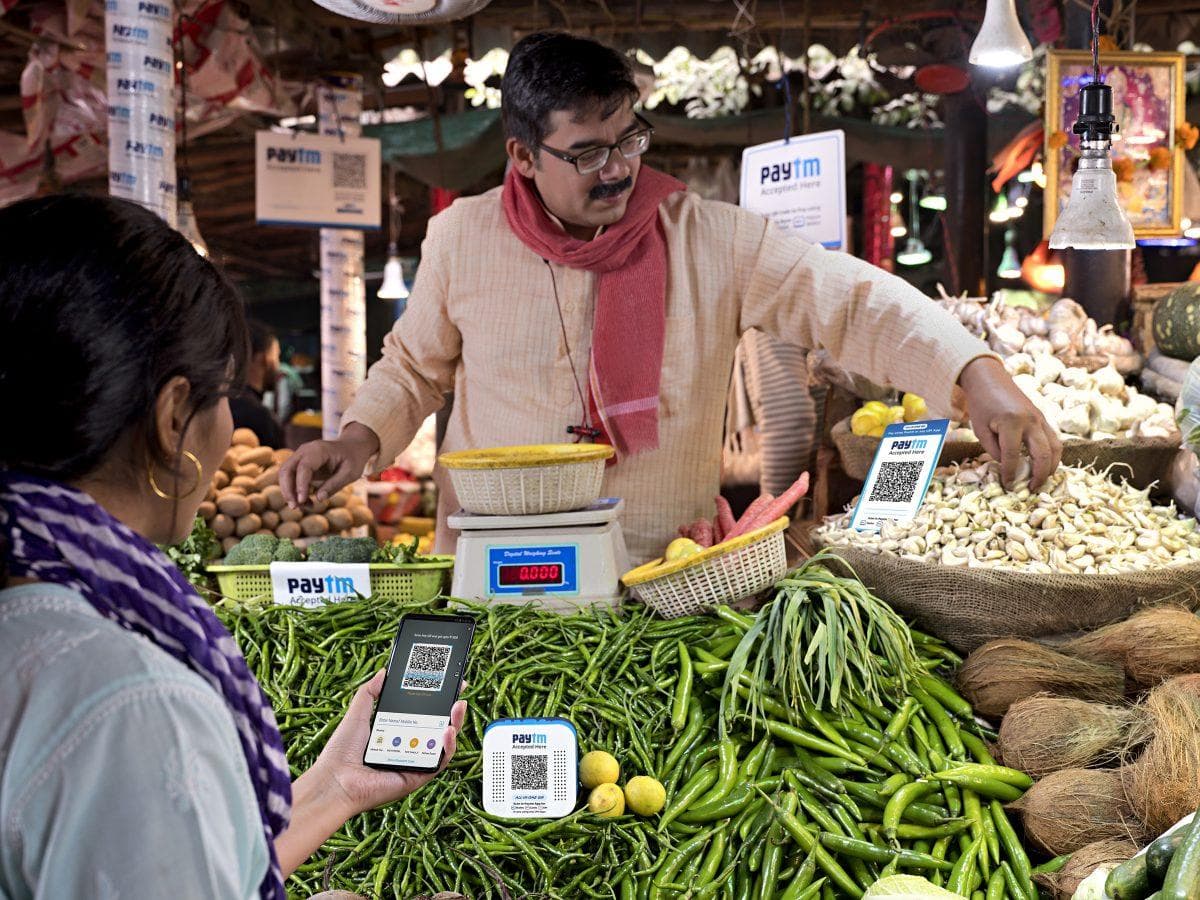
How are digital payments replacing the cash economy ?
The digital revolution that has taken place in India over the last few years has witnessed massive amounts of changes in the country. A new era of tech-driven procedure has made life easy for payments, orders, information and communication processes. The Digital India Mission was launched by the government of India in the year 2015. Eventually, it had a lot of negativity in parliament and citizens, but eventually, as time passed after 10 long years of governance, it has shifted from a cashless society in all major parts of the country. The tier 1, tier 2 and tier 3 cities where survival is difficult even though those parts have seen usage of digital payments methods. After the demonetization of currency notes, the increase in digital methods has skyrocketed by adapting new methods. The reduction of the cash economy has dropped since digital initiatives have gained the limelight and citizens felt easy access to payments via the internet and mobile applications.
Every other shop, including street vendors, especially in urban areas have adopted it on a large scale. The banks have created strict rules and restrictions on limit-based transactions. Society has adapted online methods from payments, mobile applications and E- governance methods when it comes to citizen grievances.
The government adopted digital platforms for form submission of e- challan, e - tax, e- complaints in police stations, electricity bills, water bills and every other initiative is linked to online methods. The dependency and effective time-saving measures have created hassle-free procedures, accountability, transparency and responsive work effectively. The citizens no longer wait for a long time, can track their own payments, can apply to multiple places for jobs or university applications with just an online application. From fee payments to online Tax filing, everything is dependent on online procedures only.
The removal of currency notes of 2000 value notes has also reduced cash flow in society. The dependency on tech has made it mandatory for every other citizen to learn technology-based systems. The older generation needs to adapt and learn new methods to adapt to banking systems and the usage of mobile phones. The digital revolution has created mammoth problems for the older generation in new ways. The traditional-based work was replaced with online gadgets. Many elderly people have lost their adaptability skills and are still dependent on their children. From booking cabs to online payments in supermarkets, a divide between new and older generations has created a significant impact on the world. The government's agenda to enhance technology to compete with the western world is also a reason why India's paradigm shift towards digital systems is worth understanding.
Our aim is to create awareness to support youth in building a better future through business opportunities.
-For Business kindly follow Onetick technologies
- For loan consultation contact -Loan Sugam